Tiny Trail Kids • November 25, 2026 • 12
How Matching Kids' Costumes and Cooperative Pretend Play Reduce Sibling Rivalry

Quick Takeaway: Most sibling battles erupt over scarce resources—parental attention, who controls the toy, or who gets to go first. When siblings slip into complementary, personalized matching costumes instead of competing in everyday clothes, the mental script shifts from "me versus you" to "our shared mission." Inside this guide, you will find team-based pairings like astronaut + flight commander, shark + octopus ocean rescue, and race driver + pit chief, along with age-gap advice, a comparison chart, and ready-to-use rainy-day and birthday play scripts.
Anyone raising two or more children knows how quickly a peaceful living room can pivot from giggles to a tug-of-war over a single wooden block. One child wants to build a rocket launchpad, the other wants a bridge for toy boats, and within seconds both are appealing to a parent to serve as referee. When we respond by constantly splitting toys down the middle or running timers, children often stay locked in a scorecard mindset—measuring every second of fairness and scanning for signs of favoritism.
A gentler and far more effective shift happens when siblings step into matching kids' costumes designed for cooperative pretend play. Putting on a handmade flight suit, a soft fleece shark hoodie, or a personalized race team jumpsuit acts like a theatrical curtain rise. Suddenly, the siblings are no longer rivals negotiating over floor space; they are co-captains who literally cannot finish their mission without each other's skills. In this guide, we unpack the psychology behind team pretend play, show you how to avoid identical-outfit friction, and share practical scripts you can try the very next rainy afternoon.
The Psychology Behind Sibling Rivalry and Why Cooperative Pretend Play Works
Sibling rivalry is rarely about children being unkind or refusing to share. Developmental psychologists consistently note that friction between brothers and sisters grows out of three healthy, deeply human needs: feeling seen by parents, claiming a distinct identity within the family, and having a sense of agency over one's own play. When a new baby arrives, an older sibling can worry their special role has vanished. When two siblings are close in age, they frequently collide because they want the exact same toys, milestones, and adult attention at the exact same moment.
Traditional competitive games—who finishes first, who builds the tallest tower, who scores the most points—pour fuel on that spark because one child's victory automatically creates the other child's loss. Cooperative pretend play dissolves that zero-sum trap in four powerful ways:
- Shared mission over personal scoreboard: Both children direct their energy toward an external story goal—rescuing stranded sea creatures, repairing an orbital station, or preparing a race car for the track—so both siblings win together.
- Perspective-taking and empathy: Stepping into a character encourages kids to ask, "What does my teammate need right now?" That mental flexibility carries over long after the costumes come off.
- A visual and emotional reset button: Changing into costumes after a tense morning signals a fresh start. Even reluctant kids find it easier to soften their tone when speaking as "Commander" or "Captain" rather than as an annoyed brother or sister.
- Mutual interdependence: When the play setup requires two distinct jobs—such as one child reading the rescue map while the other sails the supply boat—an older sibling experiences genuine pride in guiding, while a younger sibling feels genuinely needed rather than tagged along.
Imaginative role-play does more than soothe rivalry, too. It builds quiet confidence when children face everyday worries—something we explore further in our guide to hero costumes and bravery play for kids afraid of the dark. When siblings team up inside an encouraging story, they become each other's bravest allies.
Why Identical Outfits Can Backfire—and How Complementary Roles Fix It
When parents first think about matching sibling outfits, the instinct is often to buy two identical costumes down to the last stitch. While twin looks can be adorable for a quick photo, identical dress-up clothes sometimes spark surprising pushback during real play. Preschoolers and early elementary kids (ages 4 to 7) are actively working out who they are as individuals. Wearing an exact clone of a toddler sibling's outfit can make an older child feel boxed in or "babied." Meanwhile, the younger sibling often defaults to copying every move the older child makes, which quickly triggers the classic cry of, "Stop copying me!"
The solution is complementary team styling: two distinct characters who unmistakably belong to the same story world, color palette, and fabric family, yet carry different responsibilities. Instead of competing for the exact same identity, each child owns a specialized role that makes the team complete.
How Personalization Protects Individual Identity Inside a Team
Adding individual personalization—such as custom name embroidery on a flight suit chest pocket, an initial on a hoodie sleeve, or a chosen team number on a racing jumpsuit—turns matching costumes from "shared props" into treasured personal gear. Personalization helps siblings in three immediate ways:
- Zero ownership disputes: Seeing their own name stitched onto a garment eliminates pre-play bickering over whose suit is whose.
- Belonging without erasing uniqueness: Both children see they are part of the same squad, yet each child is recognized by name.
- Respect for personal boundaries: When a younger child receives their own personalized piece instead of borrowing their older sibling's favorite suit, the older child feels their boundaries are respected and relaxes into generous play.
Four Team Costume Pairings That Turn Rivals Into Co-Captains
The best sibling costume themes naturally build interdependence right into the storyline. One character has speed or reach; the other has navigation, planning, or rescue tools. Below are four tried-and-true themes crafted from soft, breathable handmade fabrics that keep kids comfortable for hours of cooperative storytelling.
1. Space Mission Crew: Astronaut + Flight Commander
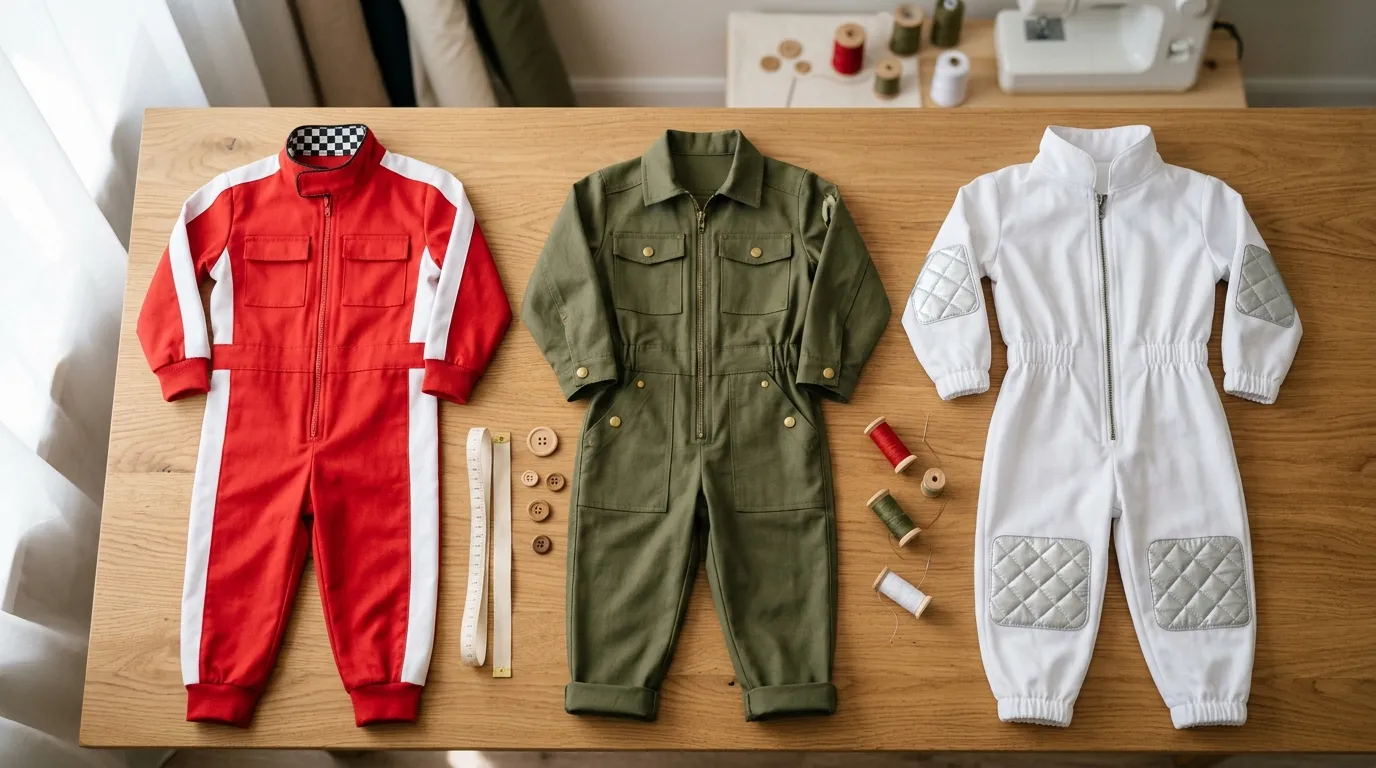
Space exploration offers one of the most balanced sibling dynamics imaginable. One child steps into a personalized white astronaut jumpsuit to perform moonwalks and collect wooden block "moon rocks," while their sibling wears a personalized olive-green pilot flight suit as Flight Commander guiding coordinates from mission control. For warmer seasons or energetic indoor playrooms, pairing the short-sleeve white astronaut suit with the green aviator pilot birthday outfit delivers breezy comfort with the exact same heroic flair.
Neither job outranks the other: the astronaut cannot land safely without the commander's countdown and trajectory check, and mission control cannot complete the research log without the astronaut's samples. Both roles feel genuinely indispensable.
2. Ocean Rescue Squad: Shark + Octopus (and Sailor Captain)
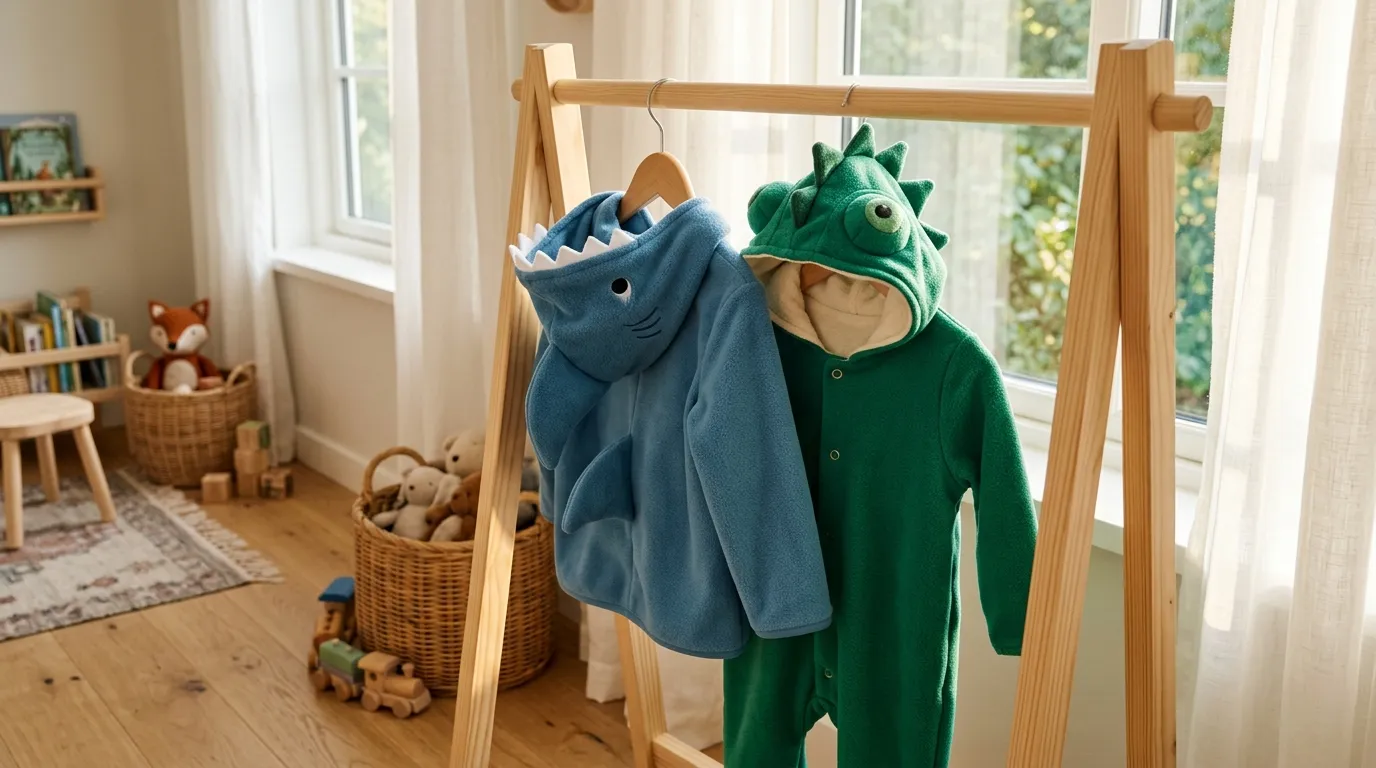
For siblings who adore cozy textures and sensory movement, an undersea rescue theme works wonders. One child slips into a personalized blue shark hoodie with dorsal fin as the swift reef scout who checks currents ahead, while the other wears a blue fleece octopus hoodie—using eight playful tentacles to carry rescue ropes and gather stranded toy boats at once. Kids who love a little sparkle can opt for the hologram sequin tentacle octopus hoodie. If you have three siblings or cousins joining the adventure, adding the personalized white-and-navy sailor costume as the surface harbor captain ties the whole ocean squad together.

3. Grand Prix Racing Team: Lead Driver + Pit Chief
Toy cars and race tracks often spark intense "my car is faster" debates. Reframing two siblings as members of the same racing team transforms competition into pit-lane teamwork. One sibling wears the personalized red long-sleeve race car jumpsuit while the other wears the personalized black racing jumpsuit with reflective details or the white short-sleeve racing costume. Every three laps around the couch, the driver pulls into the pit zone where the pit chief checks tires, refills pretend fuel, and waves the checkered flag—then after one race, they swap jobs so both kids enjoy the thrill of driving and the authority of running the pit lane.
4. Woodland & Rainforest Explorers: Bunny, Fox, and Chameleon Crew
Not every afternoon calls for loud engines or rocket countdowns. For calm, nurturing storytelling, animal pairings encourage gentleness and care. A baby or young toddler looks cozy and snug in a personalized white fleece bunny onesie as the burrow keeper, while an older sibling plays the nimble forest scout in an orange fox tutu skirt and vest costume. For close-in-age siblings who love hide-and-seek missions, pairing the green chameleon fleece jumpsuit with the purple chameleon fleece jumpsuit sparks endless "secret rainforest camouflage" adventures.
Pairing Matching Costumes Across Different Age Gaps
The spacing between siblings dramatically shapes what works best—both in garment construction and in play roles. A pairing that feels magical for a 5-year-old and an infant needs different ergonomics than a set chosen for a 2-year-old and a 4-year-old.
Baby (0–18 Months) + Preschooler or Kindergartner (4–6 Years)
When a bigger gap separates a baby from an older sibling, the older child's deepest emotional need is reassurance that they still matter—and that growing up comes with meaningful privileges. Giving the 4- to 6-year-old a proud mentor role ("Mission Commander," "Forest Guide," or "Reef Scout") channels potential jealousy into protective tenderness. Dress the baby in an ultra-soft, fuss-free fleece onesie or roomy hoodie that keeps diapering effortless and has zero scratchy embellishments, while giving the older child a tailored cotton jumpsuit with real pockets and custom name embroidery. Invite the older sibling to "brief" the baby before each mission; babies beam at the animated attention, and older kids glow with responsibility.
Close-in-Age Toddlers & Preschoolers (2–3 Years + 4–5 Years)
Siblings spaced one to two years apart compare everything—size, snacks, bedtime, and costume details. With this age gap, avoid permanent "boss and helper" titles. Instead, choose parallel specialist roles with equal status: Shark Scout and Octopus Rescuer, or Red Driver and Black Pit Chief. Just as importantly, this is the heart of the potty-training window. Nothing derails cooperative play faster than a frustrated toddler struggling with complicated fasteners during an urgent bathroom trip. Choosing easy-on silhouettes from our potty-training-friendly kids' costume guide prevents avoidable meltdowns that often get misread as sibling squabbles.
Wider Childhood Gaps (2–3 Years + 7–9 Years)
An elementary-aged sibling can quickly outgrow toddler pretend games, while a 2- or 3-year-old can feel overwhelmed by complex board-game rules. Bridge that distance with the "Mission Architect + Field Explorer" format. The older sibling draws treasure maps, builds obstacle courses out of cushions, and sends clues via pretend walkie-talkie; the younger sibling climbs, crawls, and delivers supplies. Because handmade aviator, astronaut, and racing jumpsuits look crisp and authentic rather than childish, a 7- or 8-year-old feels genuinely cool wearing them alongside a toddler brother or sister.
Sibling Team Costume Pairing Comparison Table
Use this quick comparison chart to match your children's ages, sensory preferences, and favorite play styles to the right cooperative costume duo:
| Team Theme | Older Sibling Role | Younger Sibling Role | Best Age Gap | Fabric & Comfort Highlight | Cooperative Skill Built |
|---|---|---|---|---|---|
| Space Mission | Olive-Green Flight Commander (Pilot) | White Cotton Astronaut | 2–5 years apart | Breathable cotton twill & easy front zip for all-season play | Turn-taking, verbal directions, joint problem-solving |
| Ocean Rescue | Blue Fleece Shark Scout | Blue Fleece Octopus Rescuer | 1–4 years apart | Plush, pull-on fleece hoodies—zero fuss for toddlers | Empathy, simultaneous task-sharing, nurturing play |
| Grand Prix Crew | Red Lead Race Driver | Black or White Pit Chief | 1–3 years apart | Lightweight, durable weave made for active movement | Role rotation, patience, shared celebration |
| Woodland Guides | Orange Fox Trail Scout | White Fleece Bunny Keeper | 3–6 years (incl. baby) | Baby-soft fleece onesie paired with stretchy tutu & vest | Gentle caretaking, storytelling, protective pride |
| Chameleon Team | Green Chameleon Lookout | Purple Chameleon Signalist | 1–3 years apart | Cozy full-zip fleece jumpsuits for crisp afternoons | Nonverbal cues, teamwork in hide-and-seek missions |
Structured Cooperative Play Scripts for Rainy Days and Birthdays
Even with wonderful costumes in the closet, tired parents sometimes wonder how to get cooperative play rolling before arguments start. The secret is a two-minute "mission briefing" that gives each sibling a distinct tool and a shared objective, followed by stepping back so their imaginations take over. Try these three ready-to-use scripts:
Rainy-Day Script 1: "Operation Orbital Block Tower"
Setup: Olive-green aviator flight suit, white cotton astronaut jumpsuit, a basket of wooden blocks sorted into two small piles (wide base blocks in one, tall pillars and arches in the other), and two cardboard tubes as communication radios.
Parent Launch Prompt (2 Minutes): "Attention Space Crew! A solar breeze knocked down our orbital communication tower on the living room rug. Mission Control cannot send our snack signal until the tower stands tall again. Flight Commander, you are in charge of the foundation blocks and stability check. Astronaut, you hold the upper antenna blocks. Can you connect both sets together before the next asteroid passes?"
Why It Prevents Fights: Because neither child holds all the pieces, snatching makes no sense—they have to pass, steady, and count together. If the tower tumbles, call out cheerfully, "Whoa, space gravity wobble! Repair crew, engage!" so nobody gets blamed for a collapse. Halfway through, swap piles so both siblings practice building the base and placing the crowning block.

Rainy-Day Script 2: "Coral Reef Rescue & Sailboat Map"
Setup: Blue fleece shark and octopus hoodies, blue silk play scarves or blankets laid out as an ocean channel, sofa cushions arranged as three islands, wooden sailboats, and four stuffed sea animals waiting on the farthest cushion.
Parent Launch Prompt: "Calling the Ocean Rescue Squad! Four sleepy sea friends drifted onto the far pillow island during low tide. Shark Scout, swim ahead to find the calmest path between the whirlpools and tap the safe cushions. Octopus Rescuer, guide the wooden sailboats behind the scout and bring every friend safely back to Coral Home."
Cooperative Twist: Introduce a playful "gentle current" every few minutes by fluttering a scarf—both siblings must freeze and hold hands (or link a rescue scarf) until the wave passes, reinforcing physical teamwork and laughter.
Birthday Party Script: "Shared Pit-Stop Relay & Co-Host Badges"
Birthdays are notorious flashpoints for sibling jealousy. Watching one child open every gift, blow out every candle, and hear everyone sing their name can feel genuinely heavy for a brother or sister. Prevent birthday meltdowns before the first guest knocks by turning the celebration into a team event.
Dress the birthday child in the red racing jumpsuit as "Birthday Lead Driver" and their sibling in the black or white racing jumpsuit as "Official Pit Chief & Welcome Captain." Give the sibling a real, visible job: handing out racing sticker badges at the door, holding the checkered start flag for backyard games, or leading the three-two-one countdown right before the birthday song. When it is time for family portraits, coordinate your backdrop colors with both team suits so every child feels proudly centered in the celebration—for easy setup ideas, check our guide to DIY kids' birthday photo backdrops and handmade costume styling.
Six Common Mistakes Parents Make With Matching Sibling Costumes
Even thoughtful setups can stumble over a few predictable snags. Keeping these six pitfalls in mind saves tears and keeps dress-up time genuinely joyful:
- Zero choice for the kids: Presenting two matching costumes with a rigid script ("You have to be the shark and your sister has to be the octopus") invites immediate resistance. Offer two compatible choices and let the children decide who starts in which role.
- Locking in a permanent boss-and-sidekick hierarchy: If the older sibling is always the leader giving orders and the younger child is always the follower, resentment builds fast. Build a simple role-switch ritual into every play session or alternate who picks the mission theme each weekend.
- Overlooking sensory comfort and scratchy trims: Stiff tulle, itchy synthetic seams, and tight necklines drain a child's emotional battery within ten minutes—and uncomfortable kids almost always take their frustration out on their nearest sibling. Soft, breathable cotton and gentle fleece let children focus on the story instead of tugging at their collar.
- Sneaking competition back into pretend play: Innocent prompts like "Let's see which hero picks up the most blocks!" immediately resurrect sibling rivalry. Frame challenges around beating the clock or completing the mission together.
- Making hand-me-downs feel second-best: Passing durable handmade costumes down to a younger sibling is wonderful for sustainability and family tradition, yet a younger child should never feel stuck with only faded leftovers. Refreshing a hand-me-down with a fresh name patch or pairing it with a complementary new accessory keeps it special. Explore our seasonal kids' costume rotation and hand-me-down care guide for easy ways to keep every piece looking crisp across years.
- Over-directing every minute of the story: Adults are tempted to fix minor disagreements instantly. Instead of stepping in as judge, stay in character for a gentle nudge: "Hmm, Mission Control, I hear two different landing plans—can the crew combine both ideas before liftoff?"
Turning Matching Costumes Into Everyday Rituals and Lasting Keepsakes
One magical afternoon can show siblings how good teamwork feels, while a simple weekly habit makes that cooperation second nature. Consider starting a relaxed "Team Mission Saturday" where siblings pick a matching duo from an accessible low rack, choose a 20-minute living-room quest, and help each other zip up or adjust hoods before launching. Those tiny moments of helping a little brother fasten a cuff or letting a little sister pick the mission music quietly rewire how siblings view each other.
Because well-made cotton and fleece costumes wash cleanly and hold their shape through dozens of rainy-day rescues, birthday parties, and backyard expeditions, they naturally become part of your family's story. Years later, pulling a personalized flight suit and astronaut jumpsuit out of a memory box brings back far more than adorable snapshots—it recalls the afternoons when two spirited kids first discovered how much fun it is to be on the same team.
Frequently Asked Questions
1. What if both siblings insist on wearing the exact same character at the same time?
This happens in almost every household! Two strategies smooth it over quickly. First, pick same-universe variations with different colors or sleeve styles—such as a red race car jumpsuit and a black race car jumpsuit, or long-sleeve and short-sleeve astronaut suits—each personalized with the child's own name. Second, use a visual ten-minute timer for planned role swaps so both kids trust they will get a fair turn in their favorite job.
2. At what age do matching costumes actually help reduce sibling rivalry?
While matching outfits create sweet bonding moments and keepsake photos starting around 12 months, structured cooperative pretend play truly takes off once the older sibling is around 3 years old and the younger sibling is 18 to 24 months. Even before a toddler speaks in full sentences, hearing an older sibling joyfully call them "Co-Pilot" or "Little Octopus" sparks imitation, laughter, and affection.
3. What are the best gender-neutral team costume pairings for a brother and sister?
Adventure, nature, and community-helper themes appeal effortlessly to both brothers and sisters without boxing kids into stereotypes. Olive-green pilot + white astronaut, blue shark + blue or hologram sequin octopus, red + white racing crew, green + purple chameleons, and community rescue setups featuring a personalized green police officer costume alongside a pilot or sailor are perennial favorites.
4. What should I do if my children still argue while wearing their matching costumes?
Resist the urge to strip the costumes off as a consequence, which turns dress-up into a source of shame. Instead, call a calm two-minute "base camp water break." Say warmly, "Every great crew needs a breather when missions get tricky—let's grab a sip of water and pick one tiny goal to do together next." Shrinking the task helps kids reset and succeed quickly.
5. Will an older child (ages 7–9) feel silly matching with a toddler or baby sibling?
Not when the older child's garment looks authentic, well-tailored, and cool. Structured olive-green flight suits, crisp white astronaut jumpsuits, and reflective-trim racing suits look like genuine gear rather than baby costumes. Giving the older sibling creative ownership—such as designing the mission map or naming the squad—turns matching into a badge of honor.
6. Should matching costumes be saved for birthdays and holidays, or used for everyday play?
Bring them out for everyday play! The rivalry-reducing magic of cooperative costumes comes from repetition on ordinary Tuesday afternoons and rainy weekends, not just one-off holiday photos. Handmade natural cotton and durable fleece designs are built for frequent gentle washing, so kids can enjoy them freely all year long.
Building a Tiny Team That Grows Together
Sibling rivalry does not mean your children are failing to get along; it simply means they are still practicing how to share space, voice their needs, and belong side by side. Complementary, personalized kids' costumes give them a joyful shortcut—a tangible reminder that they are stronger, braver, and happier when they pull in the same direction.
Ready to assemble your children's next adventure crew? Explore handmade cotton and fleece favorites across the Tiny Trail Kids collection, read more about our craftsmanship on our About Us page, browse more playful parenting guides on the Tiny Trail Kids blog, or reach out through our contact page if you would like personalized sibling pairing or sizing advice.