
Tiny Trail Kids • November 25, 2026 • 12
Building Bedtime Bravery: Hero & Explorer Costumes for Kids Afraid of the Dark

A Gentle Note for Tired Parents: If your otherwise bold toddler suddenly insists on closet inspections at dusk, freezes at shifting tree shadows on the wall, or whispers "Please don't turn off the hallway light," take a deep breath—you are not doing anything wrong. Bedtime fear of the dark between ages 2 and 6 is a healthy hallmark of blooming imagination. With soft, sensory-friendly hero and explorer costumes paired with a calm twilight ritual, you can turn that vivid imagination into your child's greatest source of bedtime courage.
During sunlit afternoons, a preschooler may happily climb playground ladders, negotiate puddle jumps, and invent sprawling kingdoms across the living room rug. Yet the moment the sky fades to twilight, that very same bedroom can feel unfamiliar and immense. A sweater draped over a rocking chair morphs into a mysterious silhouette; the soft creak of floorboards sounds like approaching footsteps. As loving caregivers, our natural reflex is to flip on the overhead light and reassure them with logic: "See? There is nothing to be afraid of." Still, tears often return five minutes after the door clicks shut.
Developmental research explains why logic alone rarely settles a frightened preschooler: nighttime anxiety lives in the emotional and sensory brain, not the analytical one. What helps most is a blend of warm validation, predictable sensory safety, and playful agency. When a child steps out of the passive role of "someone waiting nervously in the dark" and into the active role of a gentle space explorer, a cozy ocean guardian, or a friendly plush monster buddy during twilight wind-down, their nervous system shifts from threat detection toward curiosity and mastery. Below, you will find a complete, developmentally grounded guide to building bedtime bravery—from the psychology of shadow fears and "enclothed cognition" to a step-by-step 30-minute calm evening ritual.
The Developmental Psychology Behind Fear of the Dark in Ages 2–6
Early childhood is one of the most dramatic chapters of human brain growth. Before age two, children react primarily to immediate, concrete sensations—a sudden loud clap of thunder or the moment a parent walks out of view. Around age two-and-a-half to three, however, symbolic imagination ignites. Suddenly, a wooden spoon becomes a magic wand, a laundry basket transforms into a submarine, and storybook animals feel vividly alive. This magical thinking is essential for creativity and empathy, yet it arrives before the brain's reality-testing filter is fully wired.
The Imagination Leap and Shadow Perception
Because the prefrontal cortex (the rational "braking system" of the brain) is still maturing throughout the preschool years, children between ages two and six genuinely struggle to separate a mental image from physical reality. When bedroom lighting dims, visual input drops sharply. The brain tries to fill in the missing details, and an imaginative young mind readily projects storybook dragons, shadows, or unfamiliar shapes onto ordinary furniture. Even when a parent proves that the closet only holds winter coats, the child's amygdala—the brain's alarm bell—can still ring loudly as soon as the room goes dark again.
Bedtime Separation Anxiety and the Need for Agency
Fear of the dark is also intertwined with the longest separation of a child's day: falling asleep alone. Darkness reduces visual cues of parental closeness at the exact moment a child is asked to let go of waking control. Everyday life transitions—starting preschool, welcoming a new baby sibling, moving bedrooms, or catching a startling moment in an animated show—often resurface at bedtime when the house grows quiet. That is why kids struggling with dark anxiety crave two foundational anchors: emotional attunement ("Shadows can look strange at night, and it makes sense that you felt startled") and felt agency ("Let's use our bravery tools together so you feel completely in charge of your cozy room").
Enclothed Cognition: How Soft Hero Costumes Build Genuine Emotional Safety
In cognitive psychology, researchers Hajo Adam and Adam Galinsky coined the term enclothed cognition to describe how the clothing we wear systematically shapes our posture, focus, internal self-talk, and perceived capability. Just as adults step into sharper focus when wearing attire linked to competence, young children experience an immediate emotional shift when putting on a thoughtfully crafted costume that carries a positive symbolic identity.
Child development scientists have documented a closely related phenomenon known as the "Batman Effect"—a form of gentle psychological distancing. In studies with preschoolers tackling frustrating or intimidating tasks, children who imagined themselves as a brave, capable character demonstrated noticeably stronger emotional regulation, greater persistence, and calmer problem-solving than peers who approached the same challenge strictly as themselves. Rather than getting trapped inside the thought "I am scared of the dark," a child wearing a soft cape or astronaut jumpsuit naturally shifts to "How does Captain Starlight check the bedroom corners calmly before mission sleep?"
When this psychological empowerment is paired with tactile comfort—breathable cotton linings and plush, non-itchy fleece—the costume acts as both a cognitive anchor and a soothing sensory hug. And if your household includes more than one child, roleplay also prevents bedtime teasing and builds genuine teamwork; explore our guide on matching kids' costumes and cooperative pretend play for siblings for collaborative nighttime missions that bring brothers and sisters closer together.
Daytime-to-Twilight Bravery Roleplay: Turning Scary Shadows into Friendly Allies
One of the golden rules of childhood anxiety coaching is simple: practice bravery when the sun is still up. Trying to introduce a brand-new hero game at 8:45 PM when a child is already overtired and panicked rarely succeeds, because an alarmed brain cannot easily absorb new coping scripts. By starting playful bravery stories during sunny afternoon play or warm golden twilight, you build "emotional muscle memory" that your child can effortlessly draw upon once the lamps dim.
1. Turning "Scary Monsters" into Friendly Plush Monster Buddies
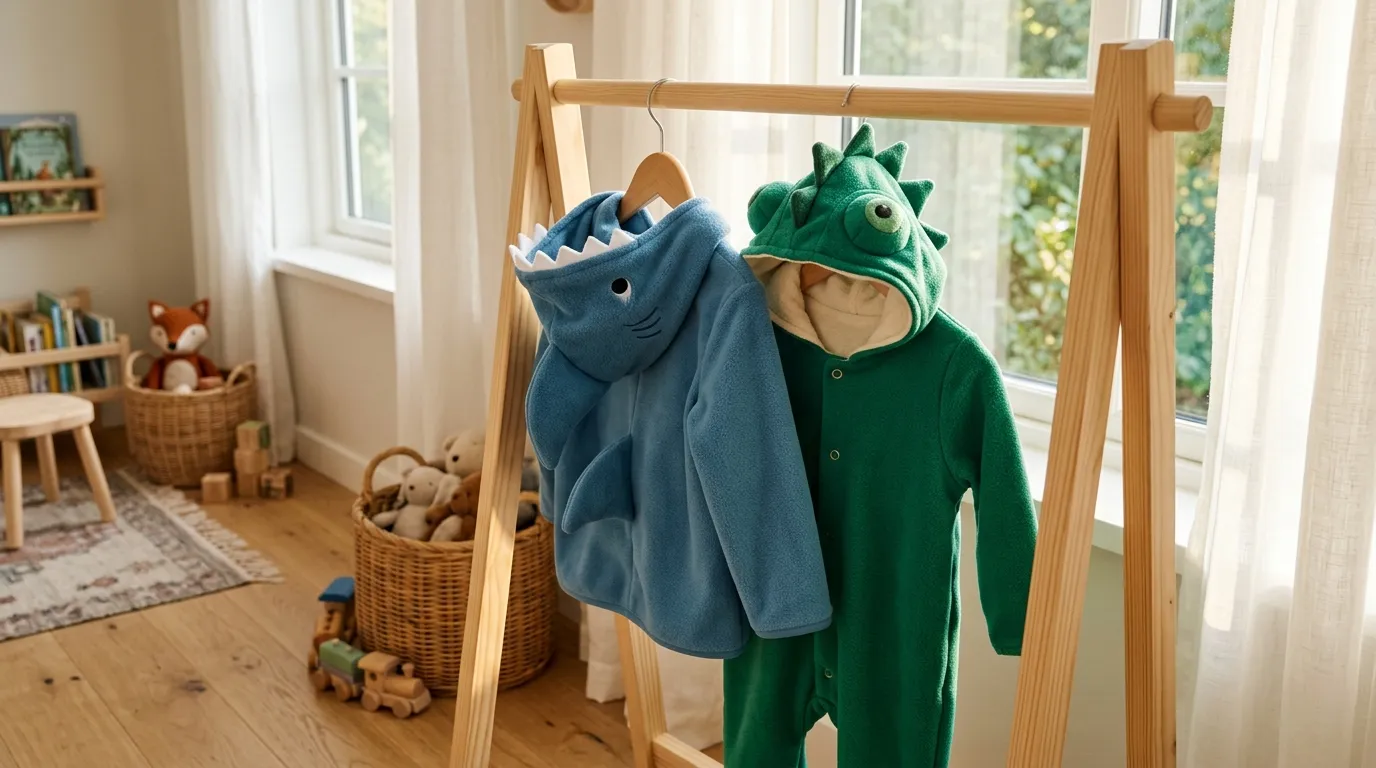
For many preschoolers, nighttime anxiety centers on the idea of a lurking monster under the bed or behind the curtains. Trying to banish the concept entirely often keeps it mysterious and frightening. Play therapists frequently recommend the opposite approach: shrink the mystery through warmth and humor. When a child zips into a soft, goofy blue spotted monster fleece hoodie and pants set during afternoon play, they reclaim full authorship over what a "monster" is. Suddenly, monsters are cuddly, polka-dotted buddies who yawn loudly, love warm oatmeal, misplace their socks, and gently munch away silly worries before bedtime.
Try hosting a five-minute "Sleepy Monster Tea Party" on the bedroom rug around dusk. Let your child wear their spotted blue monster hoodie while serving imaginary chamomile tea to stuffed animals. Ask curiously, "Hey friendly monster, what helps your fuzzy tummy feel cozy when the room gets quiet?" Hearing their own voice answer—"a warm amber lamp and my soft blanket"—helps children internalize self-soothing language without feeling lectured.
2. Space Explorers, Night Sky Pilots, and Twilight Cape Heroes
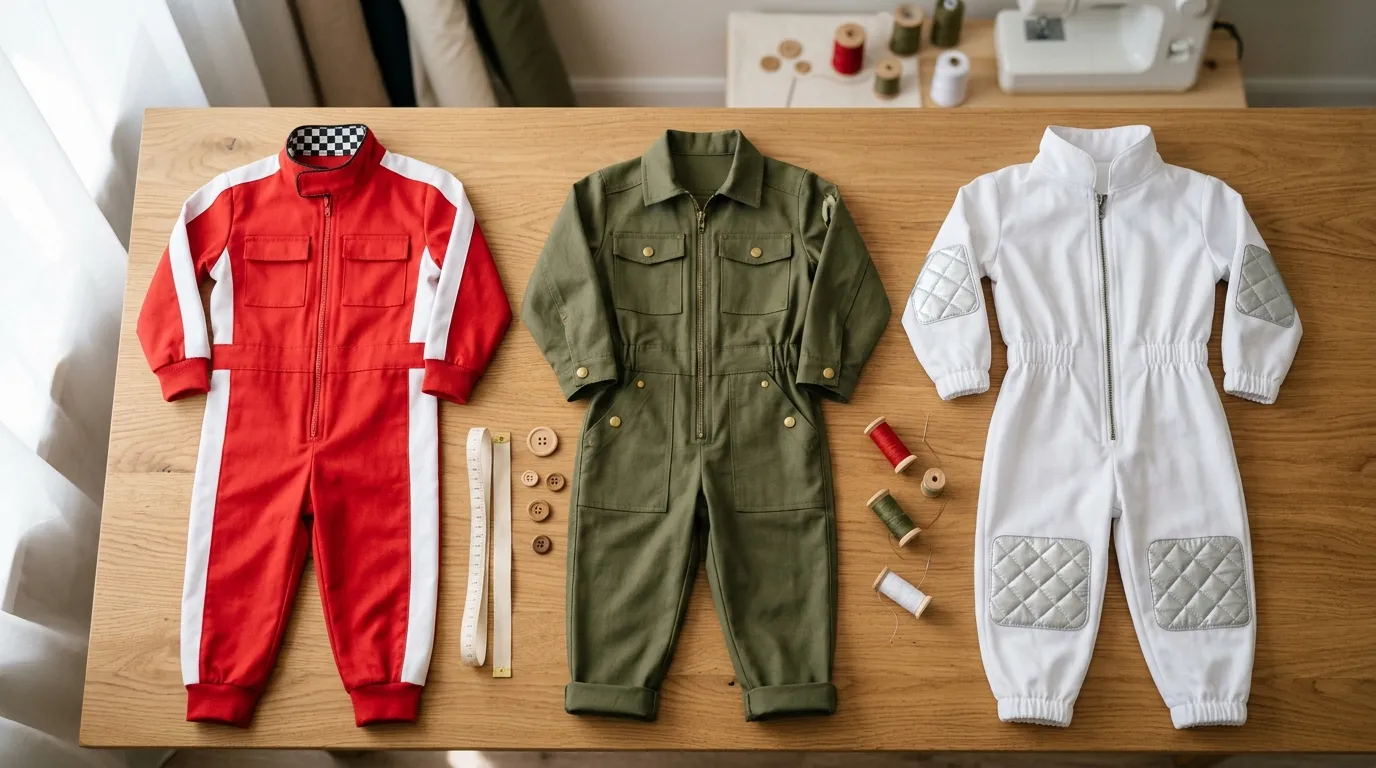
Children between ages four and six thrive on reframing darkness from an "empty void" into an exciting frontier of wonder. After all, stars, constellations, and glowing moons can only shine because the night sky is dark! Slipping into a crisp, breathable personalized white astronaut space jumpsuit, an adventurous olive green aviator pilot costume, or a warm handmade black-and-orange hero cape and vest set invites your child to lead a calm "Constellation Check-In."
Using a soft, warm-amber handheld lantern, invite your little explorer to cast shadow puppets on the bedroom wall before pajamas go on. Let them hold the lantern and move their own hand closer and farther from the glow so they watch a tiny bunny shadow grow tall and shrink back down. Once a child understands with their own hands that shadows are simply light taking a rest behind ordinary objects, the bedroom walls lose their spooky power.

3. Ocean Guardians and Woodland Protectors for Gentle Souls
Not every child resonates with traditional superhero imagery, and forcing a high-action identity onto a deeply sensitive preschooler can feel unnatural. Many gentle-hearted children feel far safer stepping into nurturing nature roles. Becoming an Ocean Guardian in a cozy personalized blue shark fin hoodie or hugging stuffed toys in a plush blue fleece octopus costume hoodie introduces the peaceful image of the quiet midnight sea where dolphins and sea turtles drift to sleep.
Woodland themes work equally well for grounding restless evenings. Wearing a whimsical woodland fox vest and outfit or cuddling up as a toddler in a cloud-soft personalized white fleece bunny onesie lets parents tell serene bedtime stories about how foxes listen calmly to the night breeze and bunnies tuck safely into warm burrows. Meanwhile, kids who love community helper roles often feel deeply reassured patrolling their stuffed-animal shelf as a friendly Night Watch Officer in a personalized green police officer costume.
Age-by-Age Bravery Themes & Costume Guide
A two-and-a-half-year-old experiencing their first bedtime hesitation needs a very different play framework than a five-year-old who asks detailed questions about shadows and storms. Tailoring both the storyline and the costume silhouette to your child's developmental stage keeps the ritual comforting, manageable, and genuinely effective.
| Age Group | Typical Bedtime Worry | Ideal Bravery Theme | Recommended Fabric & Piece | Twilight Play Goal |
|---|---|---|---|---|
| 2–3 Years | Separation anxiety, sudden sounds, abrupt room darkening | Cozy Burrow & Gentle Animal Buddies (Bunny, Octopus) | Ultra-soft fleece hoodie or pull-on vest with zero itchy seams | Tucking plush toys into bed and building warm tactile safety |
| 3–4 Years | Early magical thinking, closet curiosity, imaginary creatures | Friendly Monster Buddy & Ocean/Woodland Guardian (Shark, Fox) | Easy two-piece fleece hoodie set or lightweight pull-on vest | Replacing frightening monster imagery with silly, friendly control |
| 4–5 Years | Wall shadows, blending vivid dreams with waking reality | Twilight Cape Hero & Space Explorer | Breakaway Velcro cape or soft cotton-lined astronaut/pilot suit | Hands-on amber lantern shadow play to demystify darkness |
| 5–6 Years | Storms, abstract "what-if" fears, desire for independence | Night Sky Captain, Constellation Mapper & Room Guardian | Personalized jumpsuit or embroidered hero set with easy snaps | Leading a self-guided bedtime checklist and calm breathing anchor |
For toddlers and newly potty-trained preschoolers, practicality matters just as much as imagination. Fussy buttons or tight closures can turn a last-minute bedtime bathroom trip into a meltdown that breaks the peaceful mood. Choosing effortless, elastic-waist and snap-friendly outfits—covered thoroughly in our potty-training-friendly kids' costumes and easy-on toddler guide—keeps evening transitions smooth and frustration-free.
Designing a Calm 30-Minute Pre-Bedtime Bravery Ritual
Predictability is the quietest lullaby in parenting. When a child knows the exact rhythm of the final half-hour before sleep, their nervous system no longer has to brace for an abrupt "lights out" shock. Here is a gentle, low-stimulation 30-minute bravery ritual you can adapt to your child's favorite theme tonight:
- Minutes 30 to 20: Warm Dimming & the "Room Peace Check-In"
Turn off bright overhead fixtures and switch to warm amber lighting (around 2200K–2700K) to cue natural melatonin release. Invite your child to slip their chosen soft vest, cape, or plush hoodie right over their breathable cotton pajamas. Carrying a wooden star wand or a dim amber lantern, take a slow, whisper-voiced walk around the bedroom. Rather than hunting for monsters, say a warm goodnight to ordinary corners: "Goodnight bookshelf shadow, goodnight window curtain, goodnight cozy rug." This shifts the room from a place to be searched into a familiar sanctuary to be greeted. - Minutes 20 to 10: Cozy Nook Storytime
Settle into a softly lit reading corner, armchair, or fairy-lit canvas teepee piled with plush pillows. Choose slow-paced, soothing picture books rather than loud adventure plots—stories about baby animals resting under the moon, gentle astronauts floating among quiet stars, or friendly monsters winding down after play. Weave in one affirming whisper: "Even the bravest space explorers and ocean guardians rest their bodies every night to recharge their superpowers." - Minutes 10 to 5: The "Night Duty" Costume Hand-Off
For safe, comfortable sleep, children should not wear capes, hoods, or thick fleece costumes inside the bed. Instead of turning removal into a power struggle, give the costume an honored job. Invite your child to drape their blue shark hoodie, woodland fox vest, or hero cape neatly over a woven basket or low hook within eyesight of the bed. Say together: "Your explorer gear is on quiet night duty right here on the basket, keeping watch while your cozy pajamas help you sleep." Rotating seasonal pieces keeps this little corner uncluttered and inviting; see our seasonal kids' costume rotation and hand-me-down care guide for simple nursery organization tips. - Minutes 5 to 0: Explorer Breaths & Predictable Anchor Phrase
Once tucked under the blanket, practice three slow "astronaut helmet breaths" or "gentle ocean wave breaths"—inhale quietly through the nose for three counts, exhale softly through the mouth for four counts like mist floating across the stars. Close with the exact same calm anchor sentence every night: "Your room is peaceful, your body is safe, and I am right nearby. Goodnight, brave explorer."
Sensory Comfort & Safety: Soft Fabrics, Warm Light, and the Zero-Scary-Masks Rule
Emotional calm begins in the body. Many mass-produced dress-up outfits rely on stiff synthetic satin, scratchy metallic trims, tight elastic cuffs, and non-breathable polyester that trap heat within minutes. Right before bed, physical itchiness or overheating acts as a silent stressor, pushing cortisol up just when you want your child's heart rate drifting down.
Selecting handmade pieces crafted from breathable cotton linings and buttery-soft, low-lint fleece makes an unmistakable sensory difference. That commitment to child-first comfort and durable craftsmanship is at the heart of everything we sew at Tiny Trail Kids. When a hoodie feels like a favorite blanket and a cape fastens gently without tugging at the collar, dress-up naturally supports nervous-system regulation instead of overstimulation.

Alongside fabric softness, four non-negotiable safety rules keep twilight bravery play genuinely restful:
- Zero scary or full-face masks: Full-face plastic masks obstruct peripheral vision, muffle breathing, and distort familiar faces in dim light—all of which spike fear rather than soothe it. Always stick to open-face hoodies, soft animal ears, vests, and lightweight capes where your child's eyes and expressions stay completely free.
- Breakaway necklines and smooth hardware: Never use capes with long tie-strings around the neck. Choose soft Velcro or gentle breakaway snap closures, and always remove capes and hoods before your child lies down to sleep.
- Warm amber glow only: Avoid bright white, cool blue, or flashing multicolor nightlights and glowing plastic wands. Blue-spectrum light suppresses melatonin and casts sharp, high-contrast shadows. A dim, steady amber or red-toned nightlight keeps the room softly visible without interfering with sleep architecture.
- Temperature-smart layering: Keep the bedroom cool and dress your child in lightweight breathable pajamas underneath their twilight costume so they never overheat during storytime.
6 Common Mistakes Parents Make When Handling Fear of the Dark
Even the most patient parents can accidentally keep bedtime fears looping without realizing it. Watch out for these six frequent missteps as you build your new bravery routine:
- 1. Dismissing the fear with pure logic: Phrases like "Big kids aren't afraid of the dark" or "Stop being silly, nothing is there" leave children feeling embarrassed and unheard. Validating the emotion first ("It felt really startling to see that shadow") actually helps the fear dissolve twice as fast.
- 2. Over-relying on "monster spray" rituals: While spraying lavender water around the bed feels playful at first, it subtly reinforces the premise that real, dangerous monsters exist and require nightly chemical defense. Empowering your child to transform monsters into silly plush friends—or to control shadows with their own amber lantern—builds authentic, lasting confidence instead of superstition.
- 3. Turning hero play into high-energy roughhousing before bed: Jumping off cushions, loud superhero chasing, or dramatic monster wrestling floods a preschooler's bloodstream with adrenaline. Keep energetic dress-up adventures in the morning or afternoon, and reserve the final 30 minutes strictly for slow-motion, whisper-voiced explorer rituals.
- 4. Letting kids fall asleep wearing capes or heavy fleece costumes: It is tempting to surrender when a tearful toddler begs to keep their cape tied on under the duvet. Hold a warm, steady boundary every single night by tucking the costume onto its "night duty" basket or hook beside the bed so safety and thermal comfort never get compromised.
- 5. Leaving screens or bright overhead lights on all night: Falling asleep to a tablet or full room lighting prevents children from gradually acclimating to cozy darkness and fragments deep REM sleep. Aim for soft, predictable amber illumination instead.
- 6. Expecting overnight perfection: Bravery is built in gentle repetitions, usually across two to three consistent weeks. Celebrate small milestones warmly—like the first night your child walks to their teepee with their lantern or hangs up their fox vest calmly. You can even honor your little one's favorite explorer or woodland alter ego during family celebrations using ideas from our DIY kids' birthday photo backdrop and handmade costume styling guide, reinforcing pride in how brave they have grown.
Frequently Asked Questions
What if my child insists on sleeping in their hero cape or fleece costume?
For safe sleep and comfortable body temperature, capes, hoods, and thick costume layers should always come off before lights out. Prevent bedtime battles by turning removal into a meaningful part of the story: explain that hero capes and explorer hoodies need to rest on the nearby woven basket or low wall hook so they can "recharge their starlight power" while keeping gentle watch over the room. Seeing their favorite piece right beside the bed usually satisfies the need for closeness immediately.
Won't playing monster or hero games make fear of the dark worse?
Not when the tone is calm, playful, and led by your child during daylight or warm twilight. What intensifies fear is feeling helpless in the dark or being startled by loud, suspenseful play. When a child puts on a friendly blue spotted monster hoodie and pretends to be a goofy monster who loves bedtime lullabies, they take complete creative control over the scary symbol—which shrinks its emotional power dramatically.
When does fear of the dark typically start, and how long does it last?
Bedtime shadow and dark fears most commonly emerge around ages 2.5 to 3 as symbolic imagination blossoms, often peaking around ages 4 to 5. With empathetic validation, consistent sleep hygiene, and gentle coping rituals, most children naturally outgrow intense bedtime fears by ages 6 to 7 as their brains master the distinction between pretend stories and physical reality.
What features make a bravery costume easy for independent dressing and bedtime potty trips?
Look for soft elastic waistbands, gentle front zippers or breakaway snaps, wide comfortable necklines, and two-piece hoodies or pull-on vests that slip easily over cotton pajamas. When a toddler can slide their costume on and off independently without getting stuck, they feel proud and capable—and last-minute bedtime bathroom visits stay completely stress-free.
How can we include an older or younger sibling who isn't afraid of the dark?
Avoid comparing siblings ("Look, your brother isn't scared at all"), which creates shame. Instead, invite the sibling to join as a supportive teammate for a two-minute twilight check-in—for example, an older sibling wearing a pilot or astronaut suit as the "Starlight Navigator" while the younger child wears a cozy shark hoodie or fox vest as the "Cozy Guardian." Shared teamwork strengthens sibling warmth while normalizing bedtime routines.
When should parents consult a pediatrician or child psychologist about bedtime fears?
Mild to moderate fear of the dark is a very typical developmental phase in ages 2–6. However, consider checking in with your pediatrician or a child psychologist if fears steadily worsen over several months despite calm routines, spill heavily into daytime life (such as refusing to enter sunlit rooms alone or avoiding preschool), or trigger frequent panic-like distress and severe sleep deprivation for your child.
From Shadows to Serenity: Growing Big Courage Through Small Rituals
True childhood bravery does not mean never feeling a flutter of nerves when the bedroom grows dim—it means discovering that even when shadows stretch across the carpet, you have warm tools, steady breaths, and loving caregivers to help you feel safe. By honoring your child's vivid imagination rather than fighting it, and pairing breathable handmade textures with a calm 30-minute twilight ritual, bedtime gradually transforms from a nightly battleground into one of the sweetest, most connected pockets of your family's day.
Ready to find a cloud-soft hero cape, friendly monster hoodie, space explorer jumpsuit, or woodland vest tailored to your little dreamer? Browse our complete collection of handmade designs in the Tiny Trail Kids shop, explore more gentle parenting and play inspiration on the Tiny Trail Kids blog, or reach out directly via our contact page if you would like sizing or personalization guidance for your child's bedtime bravery buddy.